Every time you spray a conventional cleaner, you may be releasing a cloud of volatile organic compounds (VOCs), synthetic fragrances, and harsh chemicals into the air your family breathes. The good news? The best non-toxic cleaning products for home use are more effective—and more accessible—than ever before. This guide breaks down exactly what to look for, which brands to trust, and how to make the switch without sacrificing a spotless home.
Why Switching to Non-Toxic Cleaning Products Matters
Most conventional cleaning products contain ingredients that linger on surfaces long after you've finished wiping down your counters. Chemicals like phosphates, chlorine bleach, synthetic fragrances, and phthalates(chemicals used to make PVC) have been linked to skin irritation, respiratory issues, and hormone disruption with long-term exposure.
Phthalates and their Impact on Human Health
For families with young children or pets —who spend a lot of time on floors and surfaces— the stakes are even higher. Kids absorb more chemicals relative to their body weight, making the quality of what you clean with a genuine health consideration, not just a lifestyle preference.
Beyond personal health, conventional cleaners often contain petroleum-based solvents and ingredients that don't biodegrade cleanly, meaning they end up in our waterways. Switching to plant-based, biodegradable formulas is one of the most impactful swaps you can make for both your household and the environment.
At NumiEarth, our mission is to help you build a home that's genuinely safe—not just surface-level clean. Explore our curated articles and blog for more guides on organic and non-toxic living.
What Makes a Cleaning Product Truly Non-Toxic?
Before diving into specific products, it helps to understand what separates a genuinely non-toxic cleaner from one that's simply marketed as "green." Here's what to look for:
Plant-based surfactants — Derived from sources like coconut oil or corn, these lift dirt and grease without the harsh side effects of petroleum-based alternatives. Plus coconut oil smells good.
Full ingredient transparency — Reputable non-toxic brands list every ingredient, including fragrance components. Vague terms like "fragrance" or "proprietary blend" are red flags (run).
Third-party certifications — Look for labels from credible organizations:
- EPA Safer Choice — Indicates ingredients meet strict human health and environmental criteria
- EWG Verified — The Environmental Working Group's rigorous standard for transparency and safety
- MADE SAFE Certified — Screens against thousands of known or suspected harmful chemicals
- Leaping Bunny — Confirms no animal testing
- B Corp Certification — Signals broader environmental and social accountability
Biodegradable formulas — Ingredients that break down naturally without polluting soil or waterways.
Sustainable packaging — Recyclable, refillable, or low-plastic packaging reduces your overall environmental footprint.
The Best Non-Toxic Cleaning Products for Your Home (by Category)
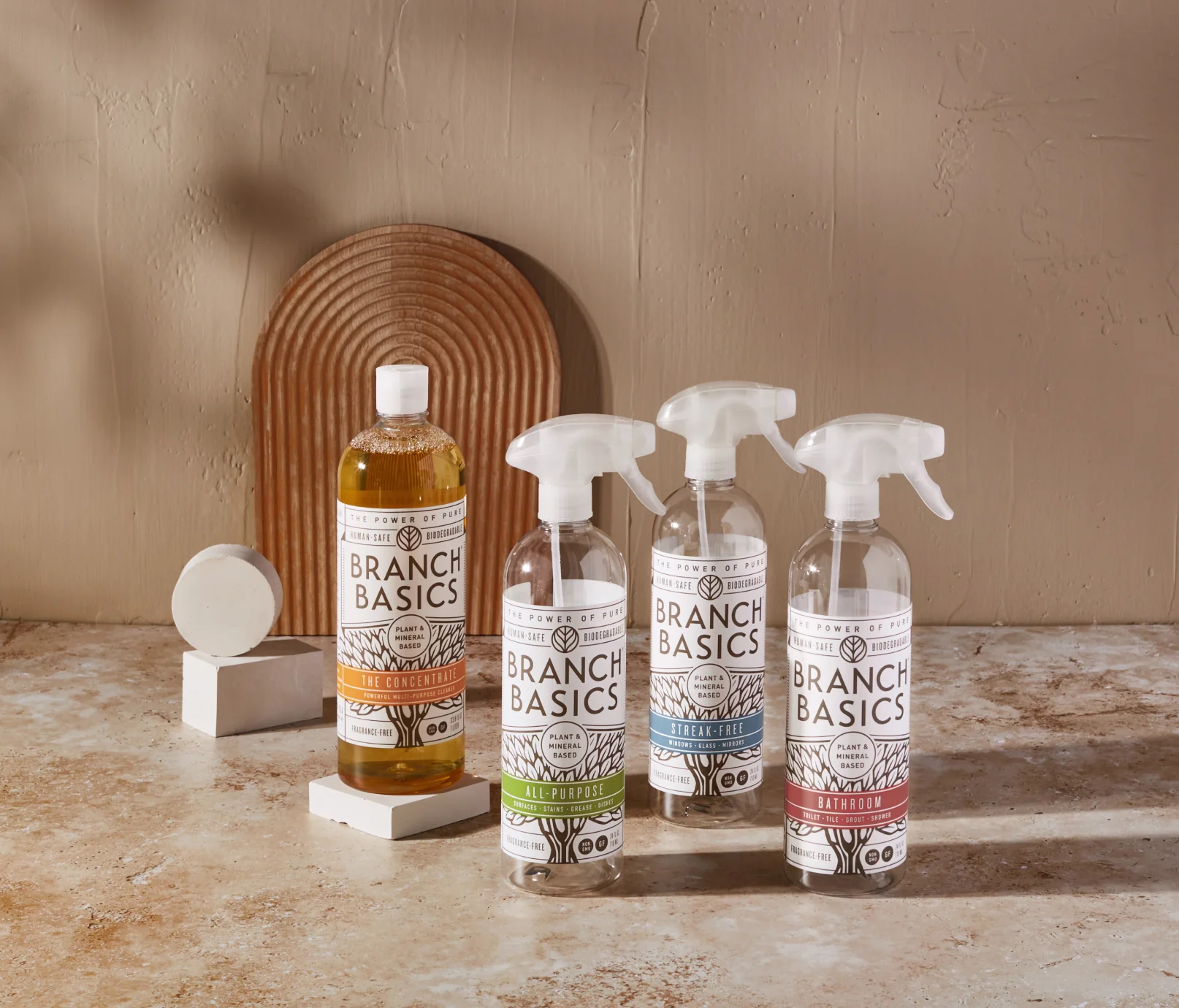
1. Best All-Purpose Non-Toxic Cleaner: Branch Basics
Branch Basics has built a loyal following among families committed to a low-tox home. Their concentrate-based system replaces virtually every cleaner in your home with a single, plant-based formula diluted to different strengths. It's free from synthetic fragrances, preservatives, and harsh chemicals—and comes in refillable glass bottles. The brand is especially popular with people who have chemical sensitivities or chronic illness.
Why we love it: One concentrate does it all—all-purpose, bathroom, laundry, streak-free windows, and even hand soap.
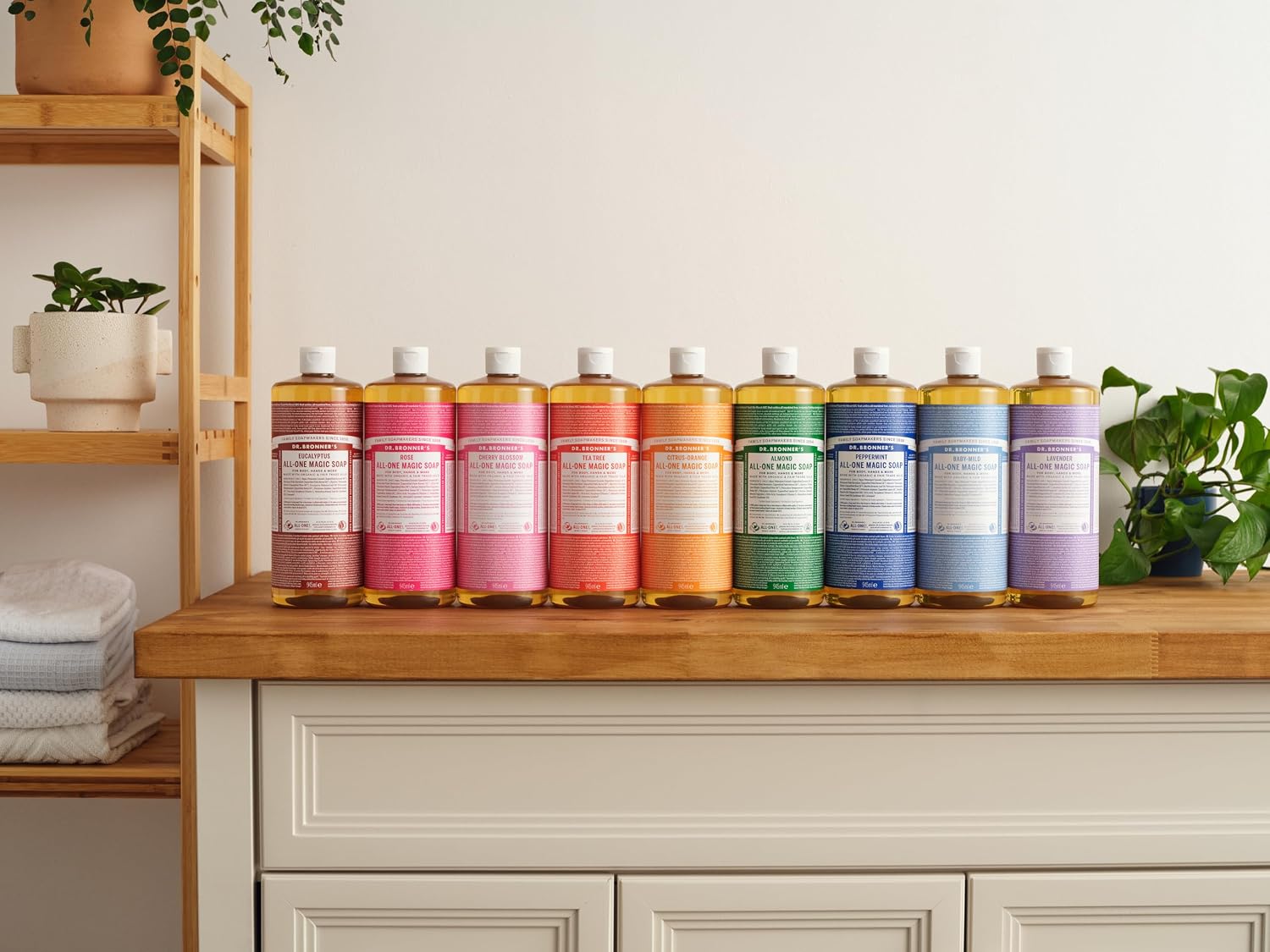
Dr. Bronner's Rose Pure-Castile Liquid Soap Review
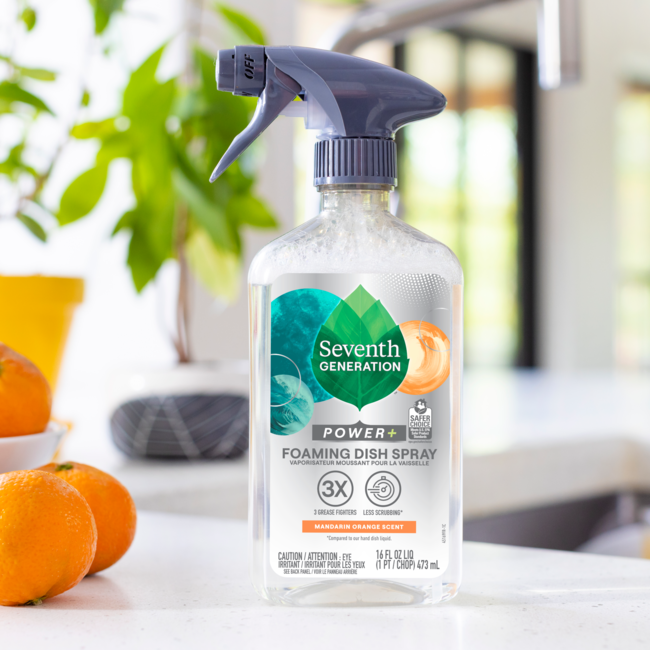
2. Best Non-Toxic Laundry Detergent: Seventh Generation
Seventh Generation has been one of the longest-standing names in eco-friendly cleaning. Their laundry detergents are free from chlorine bleach, synthetic fragrances, and dyes. They're also one of the few brands that offers complete ingredient transparency—every component is listed and explained. Packaging uses post-consumer recycled plastic, and their products carry multiple third-party certifications.
Why we love it: Reliable, widely available, and one of the most transparent brands in the non-toxic cleaning space.
3. Best Non-Toxic Dish Soap: Puracy
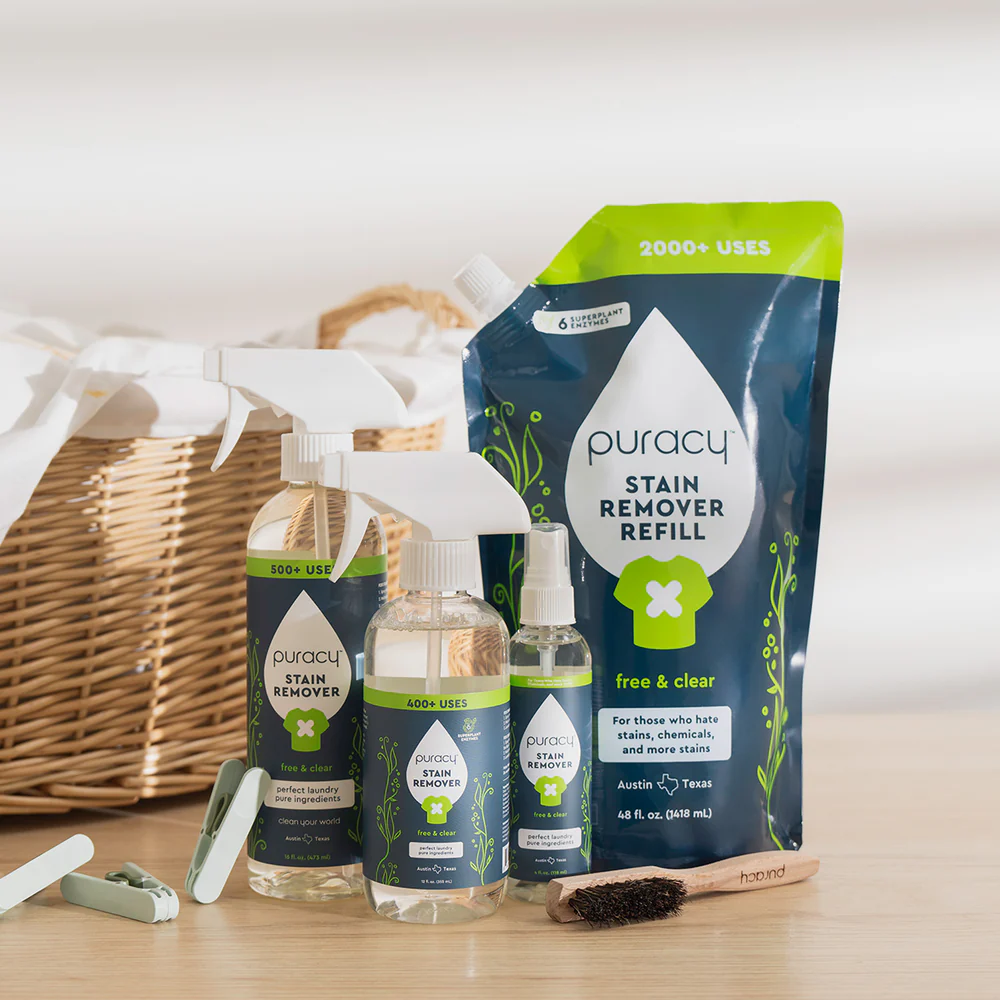
Puracy is a family-owned brand whose formulas were developed by chemists using plant and mineral-based ingredients. Their dish soap is gentle enough for sensitive skin but effective on tough grease. Puracy also offers a concentrated version that reduces packaging waste and shipping emissions. Their stain remover is a standout product for households with kids.
Why we love it: Developed by scientists, not marketers—and it actually works.
4. Best Non-Toxic Bathroom Cleaner: Attitude
Attitude offers a comprehensive line of household cleaners, including a bathroom cleaner that uses natural acids like citric acid to cut through soap scum and hard water stains—without the toxic fumes typical of conventional bathroom sprays. Their Home Essentials line comes in aluminum bottles with only essential oils for fragrance, and no synthetic scent compounds.
Why we love it: Aluminum packaging, essential-oil-only scenting, and a clean ingredient list across the board.
5. Best Non-Toxic Disinfectant: Force of Nature
Force of Nature takes a completely different approach: their appliance uses electricity to convert tap water, salt, and a capsule of vinegar into hypochlorous acid—a powerful, EPA-registered disinfectant that kills 99.9% of viruses, bacteria, mold, and mildew. It's as effective as bleach, produces no toxic fumes, and leaves no harmful residue. Once you have the device, you only need to repurchase the refill capsules.
Why we love it: Zero toxic ingredients. EPA-registered effectiveness. Virtually zero plastic waste.
6. Best Budget Non-Toxic Cleaner: Common Good
Common Good offers refillable cleaning products in recyclable glass packaging. Their plant-based, biodegradable formulas are child and pet safe, and the brand operates refill stations so you can top up without buying new packaging. Scents like lavender and bergamot make cleaning feel less like a chore.
Why we love it: Affordable, refillable, and genuinely beautiful on your cleaning shelf.
Ingredients to Always Avoid
Even products marketed as "natural" can contain harmful chemicals. When shopping for non-toxic cleaners, scan the label and avoid:
- Triclosan — An antimicrobial agent linked to hormone disruption
- Phthalates — Found in synthetic fragrances; endocrine disruptors
- Chlorine bleach — Irritating to lungs and skin; dangerous when mixed with ammonia
- Ammonia — Harsh respiratory irritant, especially in enclosed spaces
- Quaternary ammonium compounds (quats) — Found in disinfectants; linked to asthma and reproductive harm
- Formaldehyde — A known carcinogen sometimes used as a preservative
- Synthetic "fragrance" — A legal catchall that can contain dozens of undisclosed chemicals
A helpful resource for checking specific products: the EWG's Guide to Healthy Cleaning lets you search thousands of products and see how they score against health and environmental criteria.
Room-by-Room Non-Toxic Cleaning Routine
Kitchen: Use a plant-based enzyme cleaner for counters and stovetops—natural enzymes break down grease and food residue without harsh chemicals. A diluted white vinegar solution works well for cutting boards and sinks.
Bathroom: Natural citric or lactic acid formulas tackle soap scum and hard water deposits without fumes. Pair with a non-toxic toilet bowl cleaner that lists all its ingredients.
Floors: A mild castile soap diluted in warm water works for most hard floors. Essential oil-scented floor cleaners (mandarin, peppermint) leave rooms smelling fresh without synthetic fragrance.
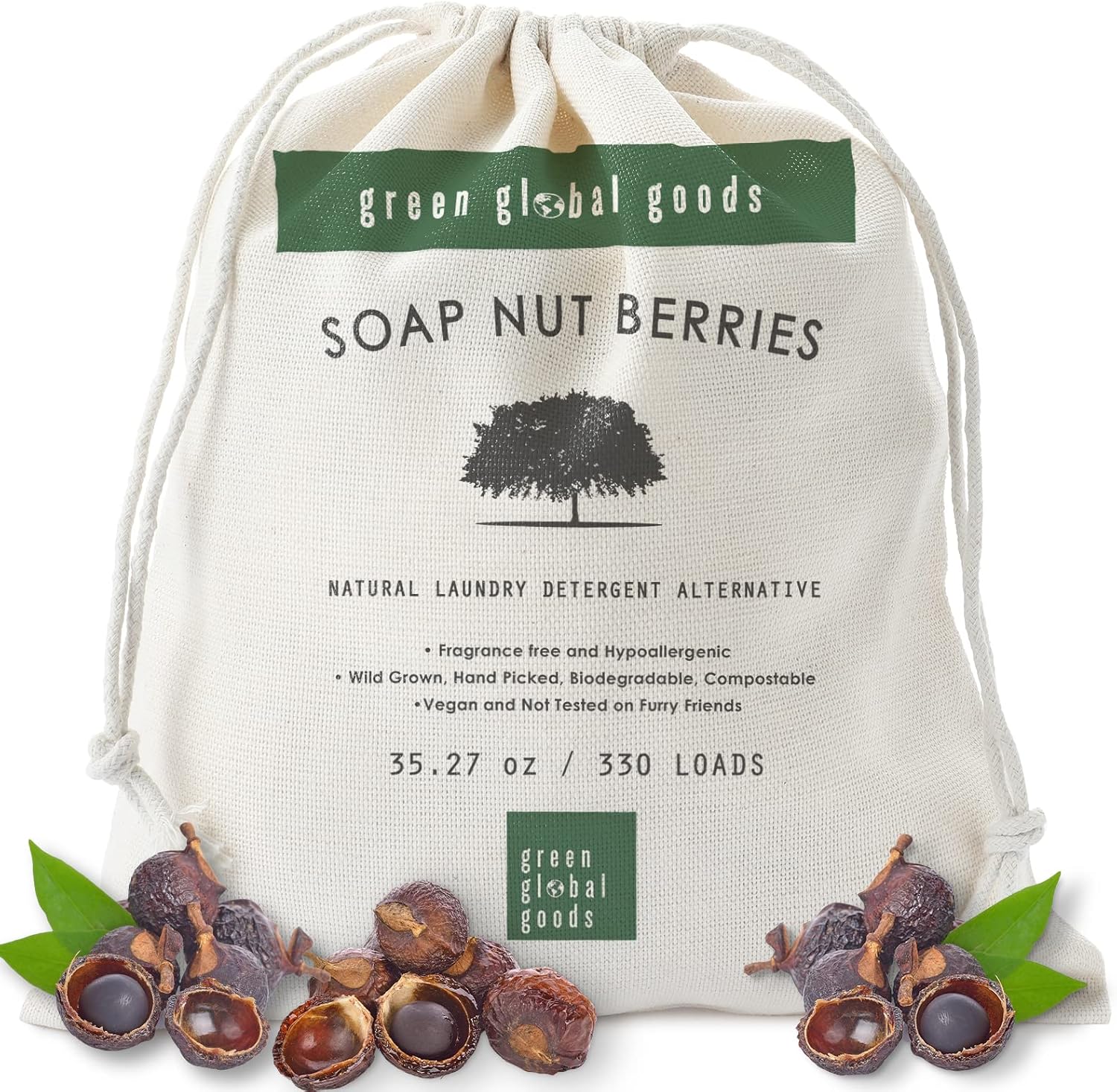
Laundry: Switch to a plant-based detergent free from optical brighteners and synthetic scent. Wool dryer balls are a non-toxic replacement for conventional dryer sheets, which often contain fragrance chemicals and coating agents.
Windows and Glass: A streak-free cleaner with simple, plant-based ingredients works just as well as conventional ammonia-based glass cleaners—without the harsh fumes.
Making the Switch: A Simple Strategy
You don't have to overhaul your entire cleaning cabinet at once. Start by replacing the three products you use most frequently. For many households, that's an all-purpose spray, dish soap, and laundry detergent. From there, work your way through the rest as products run out.
Prioritize swapping the most toxic products first—oven cleaners, toilet bowl cleaners, and disinfectants tend to contain the harshest ingredients and have the most direct contact with your skin and the air in your home.
For more practical tips on building a healthier home environment, visit the NumiEarth blog and articles section—we regularly publish guides on organic products, eco-friendly swaps, and natural living.
Final Thoughts
The shift toward non-toxic cleaning isn't about perfection—it's about making better choices where you can. The best non-toxic cleaning products for home use are now widely available, genuinely effective, and increasingly affordable. Whether you start with a single swap or overhaul your entire routine, every non-toxic choice contributes to a healthier home and a cleaner planet.
Ready to explore more organic and non-toxic household products? browse our full collection of curated product articles.
Disclosure: This article contains links to third-party product websites for reference. NumiEarth recommends products based on ingredient quality, transparency, and third-party certifications. Always read product labels and consult a professional for specific health concerns.